
Herbs have been at the heart of Ayurvedic medicine for thousands of years, offering gentle, natural support for wellness, balance and comfort. In recent times, scientific interest in traditional herbal practices has grown — including research into traditional remedies like herbal compresses used in Southeast Asia.
One such inquiry, reported by CNN, shows researchers in Thailand examining the science behind herbal compresses, a treatment long used for muscle and joint wellness.
At Indian Ayurveda Center in Clementi, Singapore, we recognise the deep connection between herbs, traditional therapies and modern wellbeing — a blend that continues to inspire new inquiry and validate ancient knowledge.
What Are Herbal Compresses and Why the Research?
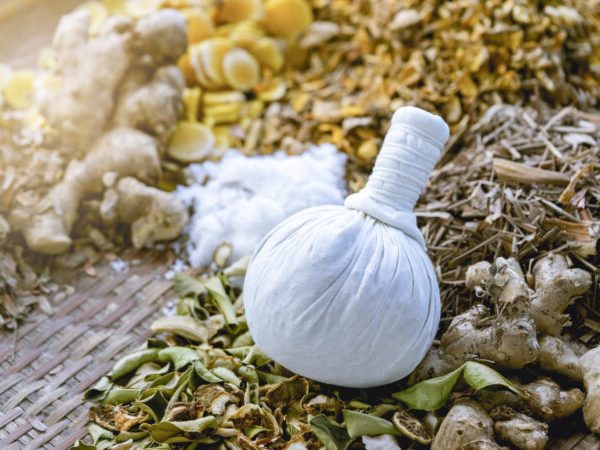
Herbal compresses are bundles of dried plants and spices — often including turmeric, lemongrass, ginger and tamarind — wrapped in cloth and steamed before application to the body. Traditionally, this warm compress is applied after massage to support circulation and comfort.
Although these remedies have been used for centuries, modern scientists are now trying to understand how and why they work. Researchers at Thailand’s Center of Excellence in Applied Thai Traditional Medicine Research are studying the unique properties of these herbs and how their extracts might influence inflammation and circulation.
This blend of traditional intuition and scientific validation reflects a broader trend: ancient herbal systems like Ayurveda are increasingly being re-examined through modern methods. It’s not about replacing one system with another — it’s about enriching our understanding of how herbs support the body.
Herbs at the Heart of Ayurveda and Traditional Therapies
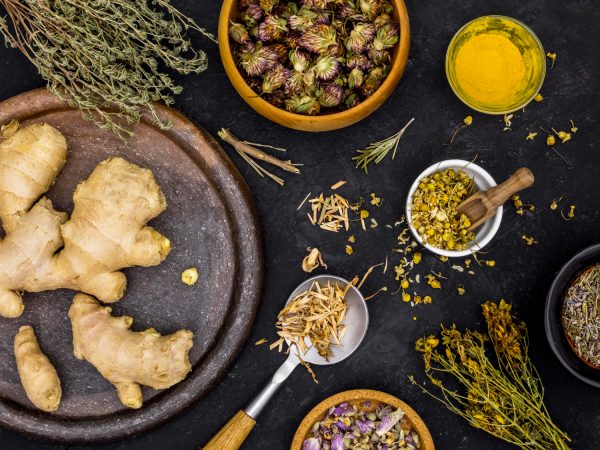
In Ayurveda, herbs are not just ingredients; they are energetic allies that interact with the body’s doshas (Vata, Pitta, Kapha) and support balance at physical, metabolic and emotional levels. Some commonly used Ayurvedic herbs include:
- Turmeric (Curcuma longa): Traditionally used to support healthy circulation and comfort.
- Ashwagandha (Withania somnifera): Valued for its grounding and adaptogenic properties.
- Holy Basil (Tulsi): Used for gentle respiratory and stress support.
- Ginger (Zingiber officinale): Encourages warmth and digestive comfort.
These herbs — and many more — are integrated into Ayurvedic therapies like herbal poultices, warm-oil massages and therapeutic infusions that aim to support vitality and resilience.
Herbal Herbs Validated, Studied, and Modernised
While the CNN article highlights ongoing research into herbal compresses, other studies suggest a growing global interest in herbal effects. For example, clinical trials have explored how modified herbal compress ingredients influence blood flow and tissue response in controlled settings.
Although scientific validation takes time, the convergence of traditional wisdom and modern research reflects a broader shift: people worldwide — in Thailand, India, Singapore and beyond — are rediscovering the value of herbs in health and wellness routines.
Ayurvedic Herb Use in Singapore and Beyond
Singapore’s multicultural environment — including Indian and Southeast Asian influences — means herbs and traditional practices have a respected place in today’s wellness landscape. Whether it’s turmeric consumed for general wellness or Ayurvedic therapies adapted for modern lifestyles, herbal wisdom remains relevant.
At Indian Ayurveda Center in Clementi, we integrate this heritage in a way that resonates with local sensibilities:
- Herbal infusions and guided diet support tailored to individual needs
- Warm herbal massages and poultice applications to support comfort and circulation
- Lifestyle consultations that incorporate ancient and modern evidence-informed practices
Herbal practices continue to evolve, but their roots in supporting balance and natural homeostasis are timeless.
Safety, Standardisation and Quality Matters
One challenge highlighted by researchers is the variability of herbal properties — different plant varieties, growing conditions and processing methods can affect how herbs behave.
This is why trusted sourcing and careful preparation are essential — especially in Singapore, where quality and regulatory standards are high. At our centre, we emphasise responsible use of herbs under expert guidance rather than DIY approaches.
Final Thoughts
The growing scientific interest in herbal compresses — like the research reported by CNN — shows a promising future for traditional herbal therapies. When ancient herbal wisdom is explored with curiosity and care, it can inform more effective, harmonious wellness practices for today’s lifestyles.
At Indian Ayurveda Center in Clementi, Singapore, we continue to weave together herbal knowledge, personalised care and gentle therapies that are rooted in tradition yet relevant to modern well-being.
Seek professional guidance for customized therapy plans
Find out more today at Indian Ayurveda Center at Blk 352, Clementi Ave 2 #01-101, Singapore 120352 !