
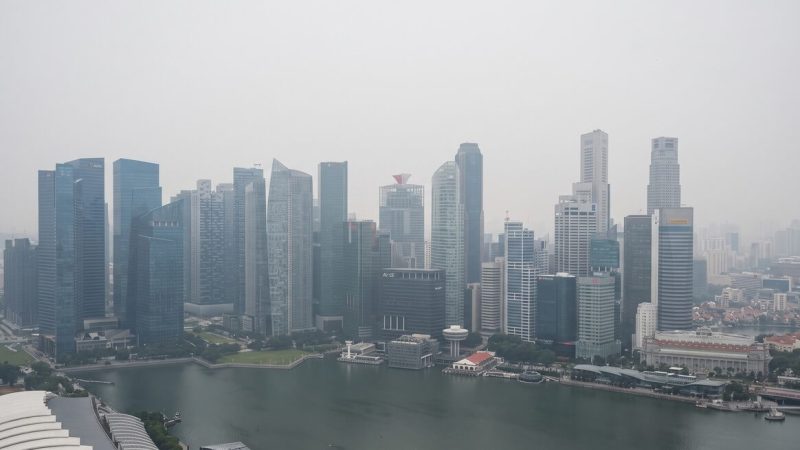
Haze has returned to Singapore, with smoke from neighbouring countries’ fires affecting the air. Recently, air quality has sometimes reached the higher end of the moderate range and even entered the unhealthy range.
As haze affects daily life again, you might be asking: Should I exercise outside? Do I need a mask? How can I protect my lungs? Are there easy ways to stay healthy during this time?
The good news is that protecting yourself from haze can be simple. A few practical changes and healthy habits can help you lower your exposure and stay comfortable.
What is haze and why does it affect health?
Haze is made up of tiny particles and pollutants released when vegetation and other materials burn. A key concern is fine particles called PM2.5, which are small enough to reach deep into your lungs.
Short-term exposure can cause symptoms such as:
- Dry or irritated throat
- Coughing
- Sneezing or a runny nose
- Watery or irritated eyes
- Headaches
- Breathing discomfort
People with asthma, chronic lung or heart conditions are more sensitive to air pollution. Children, seniors, and pregnant women should also be extra careful.
Check the air quality before heading outdoors
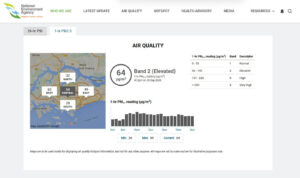
An easy way to manage haze exposure is to check Singapore’s air quality before planning any outdoor activities. The NEA haze website gives you a 24-hour PSI to help plan for tomorrow, and 1-hour PM2.5 readings to guide your choices right now.
Can you exercise during haze?
There is not one answer for everyone. You should consider the current air quality, how intense your activity is and your own health.
When air quality is moderate, healthy people can generally continue normal activities. However, when conditions become unhealthy, you should reduce or avoid prolonged or strenuous outdoor exercise, according to the latest NEA advisory. People with chronic heart or lung conditions should avoid outdoor exercise completely.
Strenuous exercise increases the air you breathe, thereby increasing your exposure to airborne particles. If you want to stay active, consider moving your workout indoors or choosing a gentler activity when outdoor air quality is poor.
Should you wear an N95 mask?
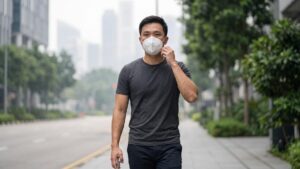
A properly fitted N95 mask can filter out fine particles from the air. Healthy people do not need to wear one for every short trip outside, like commuting. But if the air is very bad and you have to be outside for a long time, wearing an N95 mask can help reduce your exposure.
People with existing heart or lung conditions should seek medical advice as to whether an N95 mask is suitable for them.
Keep your indoor environment comfortable
Staying indoors can reduce your exposure to haze, but outdoor particles can still enter buildings. When outdoor air quality is poor, keep windows and doors closed as much as you can. If you use an air-conditioner or air purifier, follow the instructions for filters and maintenance. Try not to do things that add more indoor pollution, like smoking or burning things.
You do not need to seal your home completely. The goal is to reduce unnecessary exposure when outdoor air quality deteriorates.
Stay hydrated and listen to your body
Haze can leave your throat dry or irritated. Drinking plenty of water during the day helps you stay hydrated and ease your throat discomfort.
Watch out for symptoms too. A mild cough or sore throat can happen during haze. However, if you have ongoing coughing, wheezing, trouble breathing, or chest pain, do not ignore it or assume it is just from the haze.
If you have an existing medical condition, continue taking your prescribed medication and follow your healthcare provider’s advice.
How Ayurveda approaches well-being during haze
Ayurveda takes a holistic approach to well-being and considers factors such as daily routine, diet, hydration, rest and environmental influences. Ayurvedic wellness does not treat the effects of haze or replace medical care.
From an Ayurvedic point of view, keeping a routine and looking after your general well-being is especially helpful when the environment is uncomfortable. Traditional Ayurvedic therapies can also help you relax and support your overall health.
During haze, you can turn these principles into simple habits that help your overall wellbeing:
- Maintain regular mealtimes.
- Choose nourishing foods that suit your usual diet.
- Drink sufficient fluids.
- Get enough sleep and rest.
- Avoid unnecessary strenuous exercise outdoors.
- Take time to rest and recover if you feel tired or unwell.
Think of these practices as general wellness tips. They do not replace proven haze precautions or medical care.
Interested in incorporating Ayurveda into your daily wellness routine? Speak with our Ayurvedic practitioner to learn how traditional Ayurvedic principles can be tailored to your individual needs.
What about Ayurvedic therapies?
Ayurveda offers several therapies traditionally used to support the respiratory system and overall balance. The best therapy depends on each person, so Ayurvedic wellness therapies are usually chosen based on your unique needs. Some therapies that may help during haze include:
Nasyam
Nasyam is a traditional Ayurvedic wellness therapy that involves administering specially prepared oils or herbal preparations through the nose. Nasyam helps detoxify the upper body, including the nose, throat, sinuses, and head.
Nasyam should be administered appropriately, not attempted casually at home. It should also not be viewed as a way to filter PM2.5 from the air or prevent the health effects of haze.
Abhyangam
Abhyangam, or Ayurvedic oil massage, involves applying oil to the body as part of a traditional wellness routine. Although it is not a treatment for haze exposure, it can refresh your mind and body, support overall well-being, and improve sleep.
When haze limits outdoor activities, a gentle relaxation practice such as Abhyangam may help maintain a sense of routine and well-being.
Conclusion
Air quality in Singapore can change quickly during haze. You do not have to stop your whole routine, but it is smart to adjust your plans based on the latest air quality updates.
From an Ayurvedic view, keeping a steady routine, eating well, and getting enough rest are all part of a broader approach to well-being. These traditional principles can complement, but should not replace, evidence-based measures for managing haze exposure.
If you would like to explore how you can incorporate Ayurvedic principles into your own health and well-being routine, you can talk to our Ayurvedic practitioner for a personal consultation.