

Why Neck Issues Are So Common Today
Neck discomfort has become one of the most common musculoskeletal complaints in modern society. Long hours at desks, frequent smartphone use, poor posture, and rising stress levels have made neck stiffness, soreness, and limited movement increasingly common among working adults, students, and even teenagers.
While occasional neck tension may resolve on its own, persistent or recurring neck issues can affect daily comfort, sleep quality, and overall well-being. Understanding the causes of neck problems and the available treatment approaches — both medical and Ayurvedic — can help individuals make informed decisions about care.
Common Neck Issues People Experience Today
Some of the most frequently reported neck-related concerns include:
- Neck stiffness and reduced range of motion
- Muscle tightness in the neck and shoulders
- Tension-related neck discomfort
- Cervical spondylosis (age-related wear and tear)
- Tech neck (forward head posture from device use)
- Stress-related muscle tension
- Headaches associated with neck tension
These issues often develop gradually and may worsen if underlying habits are not addressed.
Modern Causes of Neck Problems
Prolonged Screen Time & Poor Posture
Extended hours spent looking down at phones or leaning toward computer screens place excess strain on the cervical spine. Over time, this can lead to muscle imbalance, stiffness, and discomfort.
Sedentary Lifestyle
Limited movement reduces blood circulation to neck muscles, making them more prone to tightness and fatigue.
Stress & Emotional Tension
Psychological stress often manifests physically, especially in the neck and shoulder region, where muscles tend to tighten unconsciously.
Age-Related Degeneration
As people age, natural wear and tear of cervical joints and discs may contribute to stiffness and reduced flexibility.
Poor Sleep Ergonomics
Unsuitable pillows or sleeping positions can strain the neck overnight, leading to morning stiffness or discomfort.
Medical Approach to Neck Issues
From a conventional medical perspective, neck issues are typically assessed through physical examination and, if necessary, imaging such as X-rays or MRI scans.
Common Medical Treatments May Include:
- Pain relief medications (e.g. analgesics or anti-inflammatory drugs)
- Physiotherapy focusing on posture correction and strengthening
- Heat or cold therapy
- Lifestyle and ergonomic adjustments
- In more severe cases, targeted interventions or specialist referrals
Medical treatment often focuses on symptom relief, evaluation of sinister causes, functional improvement, and preventing further strain.
Ayurvedic Perspective on Neck Discomfort
In Ayurveda, neck issues are often associated with Vata imbalance, which governs movement, nerves, and musculoskeletal function. Excess Vata — aggravated by stress, overuse, irregular routines, or ageing — may manifest as stiffness, dryness, tension, or discomfort in the neck region.
Rather than focusing only on symptoms, Ayurveda looks at root causes, lifestyle patterns, and overall body balance.
Ayurvedic Treatments Commonly Used for Neck Wellness
Ayurvedic therapies aim to support comfort, relaxation, and mobility through gentle, personalised approaches.
Abhyangam (Warm Oil Massage)
A full or targeted oil massage using herbal oils helps relax tense neck muscles, improve circulation, and support flexibility.
Greeva Basti (Neck Oil Therapy)
A traditional therapy where warm herbal oil is retained over the neck area to nourish tissues and promote joint comfort.
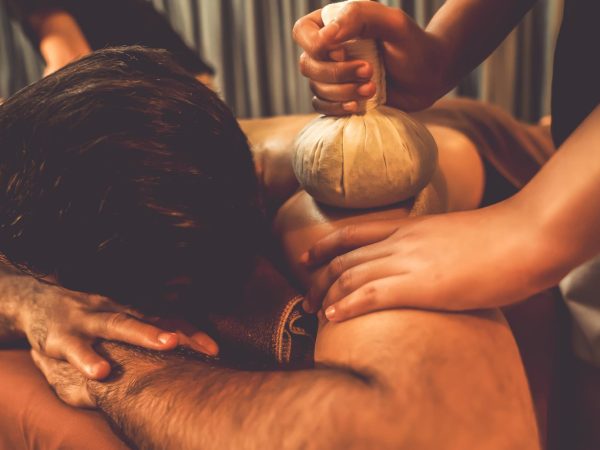
Herbal Poultice Therapies
Warm herbal compresses are traditionally used to support muscle relaxation and ease stiffness — a practice also seen in other traditional systems across Asia.
Steam Therapy (Swedana)
Herbal steam therapy helps loosen tight muscles and support detoxification through gentle sweating.
Lifestyle & Postural Guidance
Ayurvedic care often includes advice on daily routines, posture awareness, stress management, and gentle stretches.
Integrating Medical and Ayurvedic Care
Many individuals today choose a complementary approach, combining medical assessment with Ayurvedic therapies for holistic support. While medical care addresses diagnosis and acute concerns, Ayurvedic treatments may support long-term comfort, relaxation, and overall balance.
It is always advisable to consult qualified healthcare professionals before starting any therapy, especially for persistent or severe symptoms.
Supporting Neck Health in a Digital Age
Neck issues are a growing concern in today’s screen-driven lifestyle. Addressing them early through posture awareness, stress management, appropriate medical care, and supportive Ayurvedic therapies may help improve comfort and quality of life.
By understanding both modern and traditional perspectives, individuals can take proactive steps toward maintaining neck health and overall well-being.
Seek professional guidance for customized therapy plans
Find out more today at Indian Ayurveda Center at Blk 352, Clementi Ave 2 #01-101, Singapore 120352 !