
Joint pain is on the rise in Singapore, affecting not only seniors but also younger adults with sedentary habits or conditions like arthritis. More people are turning to the Ayurveda joint pain diet as a natural way to relieve stiffness and inflammation. In our humid climate, symptoms can feel even worse, especially when food choices don’t support the body’s needs.
Instead of just relying on painkillers, more people are turning to a more natural, long-term solution: the Ayurveda diet for joint pain relief.
Understanding Joint Pain Through Ayurveda
In Ayurveda, joint pain is often caused by:
- Aggravated vata dosha, which leads to dryness, stiffness, and cracking sensations within the joints
- Āma (toxins from undigested food), which can block the body’s energy channels and cause swelling or inflammation
This is why the Ayurvedic approach focuses on balancing vata, removing ama, and nourishing the joints—primarily through food.
Ayurveda Joint Pain Diet: What to Eat
The Ayurveda joint pain diet focuses on warm, moist, and easy-to-digest foods that calm inflammation and keep your joints lubricated.
Here are some Ayurvedic diet staples for joint pain relief:
- Cooked vegetables like carrots, squash, and leafy greens
- Whole grains such as brown rice, oats, or millet
- Light lentils, especially mung dal, for protein without heaviness
- Spices like turmeric, ginger, fenugreek, and cumin to reduce inflammation
- Healthy fats like ghee and sesame oil to lubricate joints
- Herbs such as ashwagandha and boswellia (shallaki) to ease pain and support bone strength
These foods are not only easy to digest, but also help alleviate the dryness and instability often linked to joint diseases.
Foods to Avoid on the Ayurveda Joint Pain Diet
Many everyday “healthy” foods in Singapore may actually aggravate joint pain from an Ayurvedic perspective—especially if your digestion is weak or vata is high.
Avoid or limit:
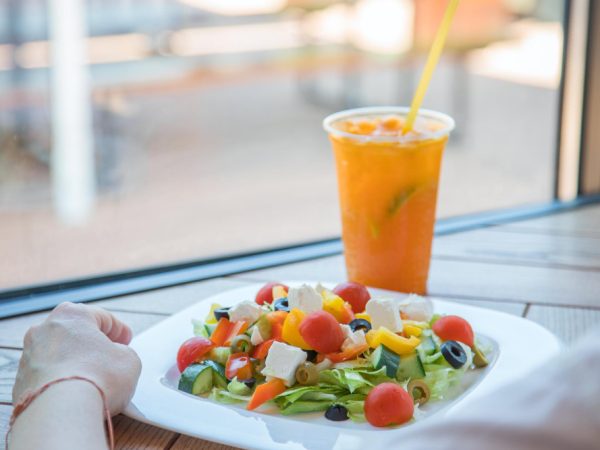
- Cold and raw foods like salads, tofu, and iced drinks
- Yogurt at night, or when taken cold
- Leftovers or reheated meals, which lack vitality (Prana)
- Processed and deep-fried foods, which produce toxins (Ama)
- Fermented or overly sour foods, like vinegar and pickles, which can trigger flare-ups
In Singapore’s humid climate, it’s especially important to avoid foods that are both cooling and damp-forming.
Adapting the Ayurveda Joint Pain Diet in Singapore
The good news? It’s easy to adapt Ayurvedic principles to our Singapore lifestyle.
- Swap iced drinks for warm herbal teas (like tulsi, ginger, or cumin-coriander-fennel)
- Add turmeric and ginger to your home-cooked meals
- Use ghee or sesame oil when cooking
- Visit Little India or Mustafa Centre for Ayurvedic herbs and spices
- Replace raw salads with lightly sautéed or steamed vegetables
These small tweaks can make a big difference in reducing inflammation and supporting long-term joint health.
Final Thoughts
If you struggle with joint pain, your diet could be playing a silent role in making it worse—or better. The Ayurveda diet for joint pain relief offers a balanced, sustainable approach to healing, without extreme restrictions or expensive supplements.
Start by making small, mindful changes to what you eat. Listen to your body, and remember: healing doesn’t happen overnight, but with the right nourishment, your joints can regain strength and flexibility over time.
Looking for a customised Ayurvedic plan?
Book a consultation with our Ayurveda specialist in Singapore. Whether you’re managing joint pain or other chronic concerns, we offer personalised Ayurvedic therapies, herbal medicines, and traditional massage treatments tailored to your body type and condition.
Seek professional guidance for customized therapy plans
Find out more today at Indian Ayurveda Center at Blk 352, Clementi Ave 2 #01-101, Singapore 120352 !